

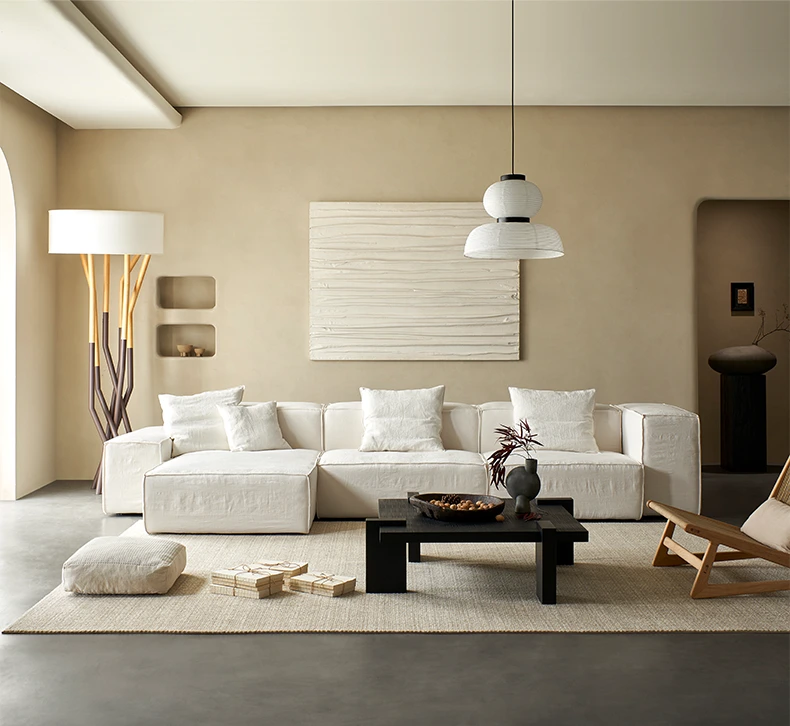
As we step into 2026, it’s clear that “good living” is no longer just about how things look—it’s about how spaces feel, adapt, and support everyday life. For anyone who follows design, lifestyle, or wellness, understanding 2026 fashion trends early is more than a style advantage. These trends influence not only furniture choices, but also how we organize our homes, express personality, and create comfort in a fast-changing world.
When it comes to furniture trends in 2026, the focus shifts inward. Nature, emotion, movement, and technology are blending together to form highly personalized, multifunctional, and sustainable spaces. The goal is no longer to make people adapt to space, but to make space adapt to people.
A Softer, More Natural Color Language
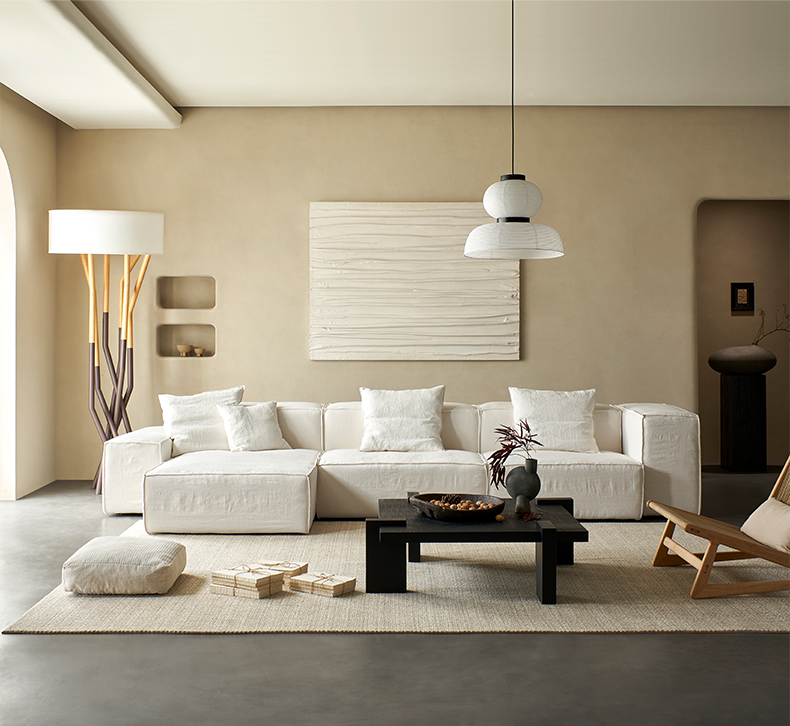
Color in 2026 moves away from high contrast and visual noise. Instead, interiors lean into low-saturation, nature-inspired tones that feel calming and grounded. Shades like gray-green, olive gray, creamy off-white, milk tea beige, and misty blue set the main mood, creating interiors that feel quiet, warm, and restorative.
These neutral backgrounds are often paired with small but intentional pops of saturated color—think terracotta, mineral blue, or deep clay tones. Used sparingly, these accents add personality and energy without overwhelming the space.
Color is no longer just visual. In 2026, it’s designed to be experienced alongside texture. When paired with wood grain, linen upholstery, or natural stone, color becomes part of a richer sensory experience that feels both seen and felt.
Materials That Engage More Than Just Sight
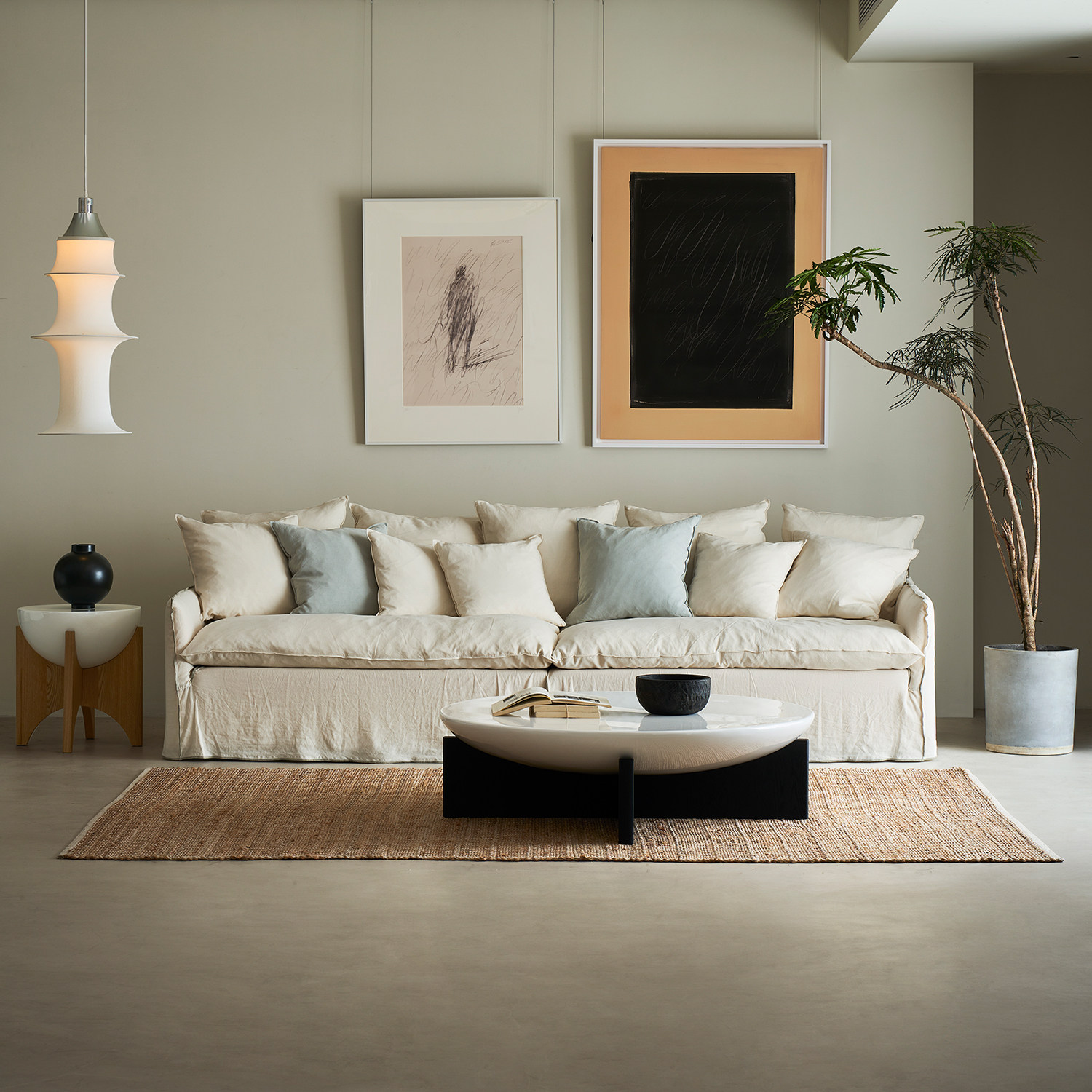
Natural materials take center stage in 2026. Solid wood, stone, linen, and woven fibers dominate furniture design, often enhanced with functional coatings or bio-inspired materials that improve durability and sustainability.
What stands out most is contrast. Designers are mixing materials intentionally—wood with metal, glass with stone—to create depth and visual interest. These combinations feel modern but not cold, structured yet organic.
Beyond touch, furniture design begins to consider smell and atmosphere as well. For example, olive green upholstery paired with brushed wood evokes a sense of calm that feels almost instinctive. The home becomes a multi-sensory environment rather than a purely visual one.
Curves, Modularity, and Smarter Structures
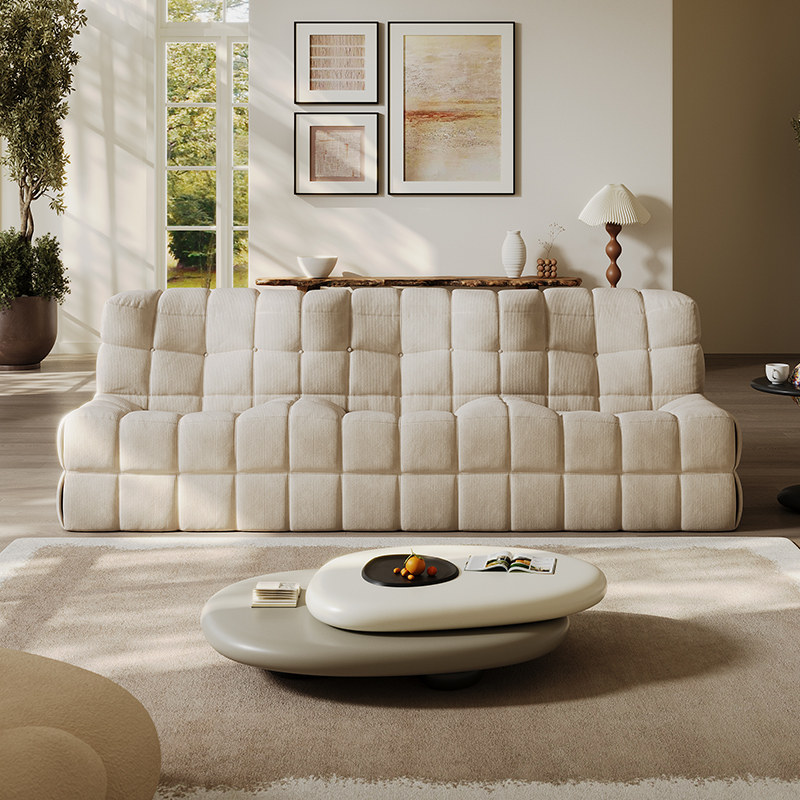
One of the most noticeable shifts in 2026 furniture design is the return of curves. Soft, rounded edges replace harsh lines, bringing warmth, approachability, and a sense of flow into interiors. Curves feel more human—and that’s exactly the point.
At the same time, modular and multifunctional furniture continues to grow in popularity. Homes are no longer static; they evolve with work, family, and lifestyle changes. Modular sofas, expandable tables, and reconfigurable storage systems allow spaces to “grow” and adapt over time, especially in flexible layouts like LDK+X living models.
Efficiency also matters. Furniture in 2026 pays close attention to compact living, smart storage, and space-saving solutions that support smaller homes without sacrificing comfort or style.
Technology That Blends In, Not Shows Off
In 2026, smart furniture will become quieter—literally and visually. Technology is no longer designed to stand out, but to disappear into the background. Lighting, temperature, and environmental adjustments happen automatically, responding to habits and preferences without constant user input.
This invisible intelligence supports the idea of “dynamic living.” Furniture layouts and functions are designed to shift with different life stages—single living, growing families, or multi-generational homes—making long-term use more sustainable and practical.
Culture, Identity, and Personal Expression
Rather than committing to one strict style, younger homeowners in 2026 embrace mix-and-match interiors. The idea of “style-less” design allows modern, vintage, handcrafted, and cultural elements to coexist naturally, creating spaces that feel personal and expressive.
Traditional craftsmanship and cultural heritage also find new life. By reinterpreting traditional forms, textures, or techniques and blending them with modern design, furniture becomes a bridge between past and present—familiar, yet fresh.
How to Apply 2026 Furniture Trends at Home
You don’t need a full renovation to embrace 2026 trends. Start small. Update soft furnishings like cushions, rugs, or accent chairs to refresh the mood without major changes.
When experimenting with color, be bold with smaller pieces and keep larger furniture in softer, neutral tones. This keeps the space flexible and future-proof.
Finally, embrace negative space. Low-saturation walls and cabinetry create visual breathing room, allowing everyday objects and personal items to stand out naturally.
Ultimately, furniture trends in 2026 are about turning inward—returning to nature, emotion, and human-centered design. Instead of chasing trends for appearance alone, design now serves deeper needs: comfort, identity, adaptability, and emotional connection.
By choosing furniture that responds to real life rather than forcing life to fit the space, homes in 2026 become more personal, more flexible, and more meaningful places to live.